
5 Exterior Painting Mistakes That Cost CT Shoreline Homeowners More When They Wait Until Fall
For Madison, Guilford, Branford, and Old Saybrook homes, where Connecticut's 48 inches of annual rainfall combined with salt air exposure on coastal properties accelerates wood moisture cycling, these signs tend to appear sooner and progress faster than they would on an inland property in a drier climate.
When Repair Is the Right Call
Repair makes sense when:
Every August, homeowners across Madison, Guilford, Branford, Clinton, and Old Saybrook notice the same things on the exterior of the house. The paint on the south-facing clapboards is chalking. The trim at the windows is starting to peel. The caulking at the door frame has pulled away. The plan is to deal with it in the fall, after the summer wraps up and the schedule clears.
That plan costs more almost every time. Not because the painting itself is more expensive in October, but because two more months of salt air, UV, and rain turn a surface that needed refinishing into a surface that needs repair before it can be refinished. The wood behind a cracked paint film does not wait politely for the homeowner's schedule. It absorbs moisture, swells, develops rot, and turns a paint job into a paint-plus-carpentry job.
Timber and Brush is an exterior wood repair and painting specialist based in Madison, serving the Connecticut Shoreline. This guide covers five specific exterior painting mistakes that cost CT Shoreline homeowners more when they wait, and why the late-summer window is the one worth acting in.
1. Ignoring Peeling Paint Until the Wood Underneath Fails
The most expensive version of every exterior paint job starts with a homeowner who watched the paint peel and decided to wait.
Peeling paint on a Connecticut Shoreline home is not a cosmetic problem. It is the paint telling you it has lost adhesion, and the exposed wood beneath it is now taking direct moisture, salt air, and UV with no protection. On a property in Madison or Guilford where salt particles hold moisture against the surface and freeze-thaw cycling runs from November through March, unprotected wood deteriorates measurably faster than it would inland.
What happens month by month when peeling is ignored:
- The peeling area expands as moisture lifts more film at the edges
- Exposed wood absorbs rain, salt moisture, and humidity
- The wood surface degrades from gray weathering to soft, punky fiber
- Rot develops at joints, end grain, and anywhere water sits
A surface that needed refinishing in August may need wood repair by October because two months of unprotected exposure in coastal conditions crossed the line from surface degradation to structural damage. The paint job is now a paint-plus-repair job, and the cost reflects the expanded scope.
2. Skipping Surface Preparation to Save Time
This is the mistake that produces the fastest callback, and it happens when homeowners or painters try to shortcut the process to get the job done quickly before the weather turns.
Surface preparation is where the longevity of an exterior paint job is determined. A properly prepped surface, scraped, sanded to sound wood, primed at bare spots, with failed caulk removed and replaced, accepts the topcoat and holds it. A surface that is painted over chalking, loose paint, dirt, or mildew produces a finish that looks right for a few months and then fails from underneath because the new coat never bonded to a sound substrate.
The USDA Forest Service Forest Products Laboratory documents that proper surface preparation is the most important factor in the performance of any exterior wood finish. On a CT Shoreline home where salt, UV, and moisture are all working against the finish simultaneously, that guidance applies with extra force. A shortcut on prep in this environment is a guarantee of early failure.
Why skipping prep costs more:
- The new finish fails within one to two seasons
- The homeowner pays for the same surfaces twice
- The second job still requires the prep the first one skipped
- Two paint jobs in three years costs far more than one done right
3. Painting Over Failed Caulk and Open Joints
Caulking at window frames, door frames, trim joints, and siding transitions is the waterproof seal that keeps moisture out of the wall assembly. When that caulk has cracked, pulled away, or hardened, painting over it does not reseal the joint. It hides the failure while water continues entering behind it.
On a Connecticut Shoreline home, caulk failure is accelerated by the same conditions that stress everything else: salt air degrades the caulk's flexibility, UV breaks down the surface, and freeze-thaw cycling works the joint open as the materials on either side expand and contract at different rates. A caulk joint that has failed is an open pathway for moisture into the wall cavity, the trim joint, or the window frame, and painting over it seals only the appearance.
What painting over failed caulk produces:
- A clean-looking joint that is still letting water in
- Moisture trapped behind new paint accelerates rot
- The paint at the joint peels first because the substrate is wet
- The caulk replacement that should have been done first now requires paint removal too
Timber and Brush includes caulking and sealing as part of every exterior painting project specifically because a painted joint that is not sealed is a painted joint that fails. The caulk goes in before the topcoat, not after.
4. Waiting Until Fall and Losing the Best Application Window
Late summer is the best exterior painting window on the Connecticut Shoreline, and waiting until October or November to start the job trades ideal conditions for compromised ones.
Exterior paint and stain need specific conditions to cure properly: warm, dry weather with moderate humidity and no rain in the forecast for the curing period. August and September on the CT Shoreline deliver those conditions more reliably than any other time of year. By mid-October, overnight temperatures drop, humidity climbs, rain frequency increases, and the nor'easter season is approaching. Paint applied in marginal conditions cures slower, bonds less completely, and enters its first winter with less resilience than paint applied in the summer window.
| Condition | Late summer (August to September) | Fall (October to November) |
|---|---|---|
| Daytime temperature | Warm, consistently above cure minimums | Cooling, borderline on some days |
| Overnight temperature | Warm enough for continued curing | Drops below cure threshold more often |
| Humidity | Moderate, manageable | Rising as fall moisture increases |
| Rain forecast | Drier stretches more frequent | More frequent rain, nor'easters approaching |
| Cure quality | Full cure before winter exposure | Incomplete cure possible before freeze |
The practical consequence is that a job started in August cures fully in ideal conditions and enters the fall and winter at full strength. A job started in late October may still be curing when the first nor'easter arrives, and paint that has not fully cured when it takes its first sustained moisture and freeze-thaw loading fails ahead of the schedule the product was designed for.
5. Choosing the Cheapest Product for a Coastal Home
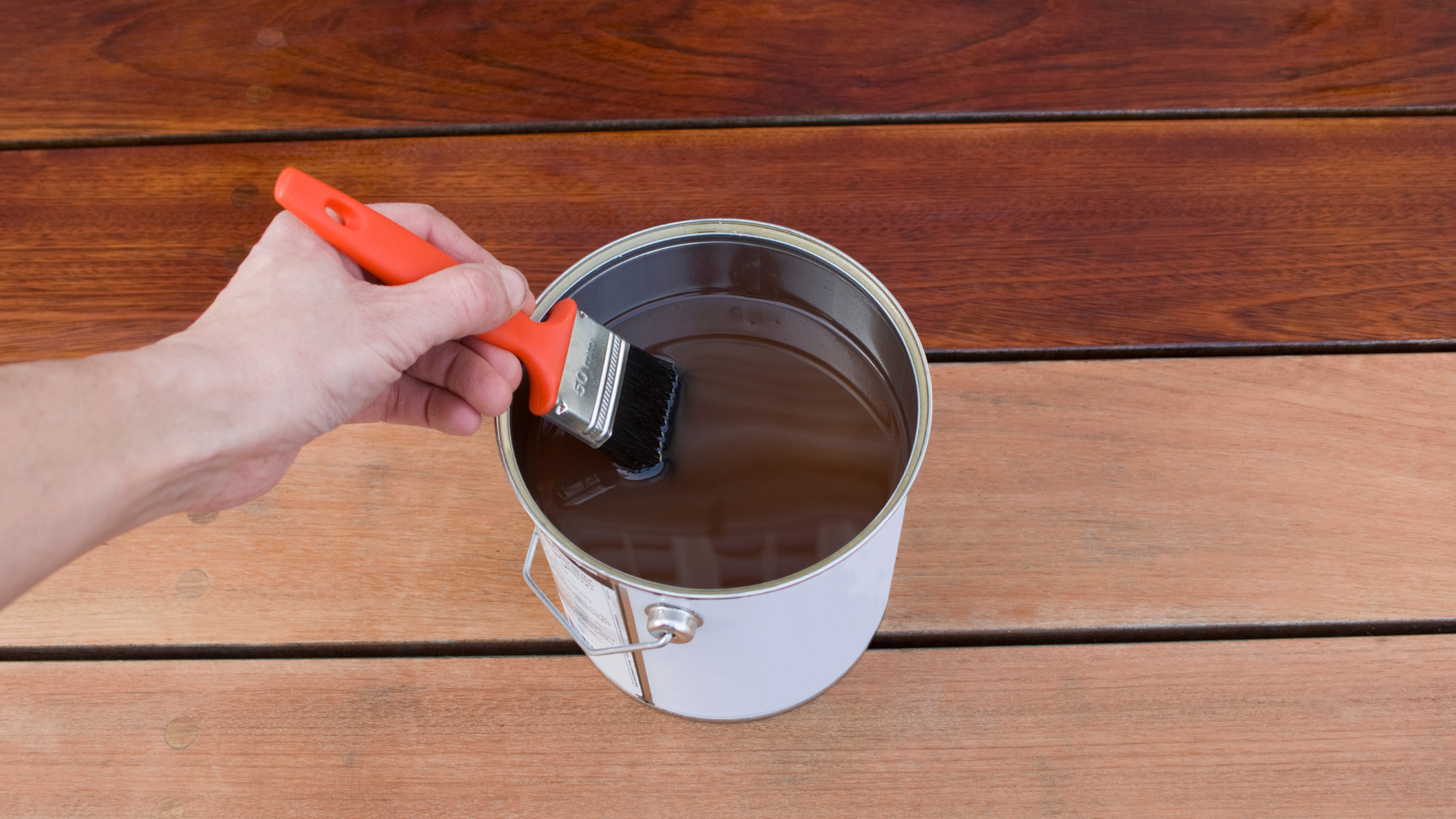
The price difference between a premium exterior paint and a budget one is small relative to the total cost of an exterior painting job, because labor is the dominant cost. Choosing the cheapest product to save on materials produces a finish that fails ahead of schedule in coastal conditions, and the cost of redoing the work dwarfs what the better product would have added.
Timber and Brush uses Benjamin Moore Aura and Sherwin Williams Emerald on exterior projects across the CT Shoreline. These products are specified for their binder technology, UV resistance, and moisture performance in conditions where budget products break down measurably faster. The difference in material cost on a typical exterior job is a fraction of the labor cost. The difference in performance is measured in years.
Why budget products fail faster on the Shoreline:
- Weaker binders lose adhesion under salt and UV sooner
- Less pigment means less UV protection for the wood
- Lower flexibility means more cracking under freeze-thaw
- The recoat cycle shortens, so you pay for labor again sooner
The math is straightforward. A premium product that adds a small percentage to the total job cost and extends the finish life by two to three years costs less per year of protection than a budget product that fails early and requires the full job again sooner.
What Each Month of Waiting Actually Costs
The five mistakes above share a common thread: every month of delay on the CT Shoreline advances the damage and expands the scope.
| When you act | What the job typically involves |
|---|---|
| August, at first signs | Clean, prep, prime, paint on sound wood |
| October, two months later | Same plus wood repair where moisture entered |
| Spring, after a full CT winter | Significant prep, likely board replacement, then paint |
| Next summer, a full year later | Extensive repair, potential structural wood work, then paint |
The NOAA Connecticut State Climate Summary documents 47.3 inches of annual precipitation with no dry season and increasing extreme events. Every month a compromised exterior surface stays exposed to that rainfall is a month where moisture is entering the wood, and on a salt-air property where freeze-thaw cycling expands every drop of trapped water, the damage accelerates through the fall and winter.
Why Timber and Brush Does Not Skip the Steps
Every Timber and Brush exterior painting project follows the same sequence regardless of the surface, the product, or the season: assess the wood, repair what is compromised, prep the surface to a bondable condition, caulk every joint, prime every bare spot, and apply the topcoat. That sequence is what produces a finish that holds on the Connecticut Shoreline, and it is why the team does not offer a "just paint over it" option.
For the related question of how the same conditions affect specific surfaces, the articles on deck paint versus deck stain, fence paint versus fence stain, and why front doors take more sun and salt than any other surface each cover how Shoreline exposure drives product and prep decisions on different parts of the home.
Timber and Brush's exterior painting service covers the full scope of residential exterior work across Madison, Guilford, Branford, Clinton, and Old Saybrook, including the wood repair and caulking and sealing that make the paint last.
If your exterior paint in Madison, Guilford, Branford, Clinton, or Old Saybrook is showing signs of peeling, chalking, cracking, or bare wood, the late-summer window is the time to address it. Timber and Brush assesses the wood, handles any repair, and applies a finish built to hold in CT Shoreline conditions.
Exterior Painting | Caulking and Sealing | Deck Painting and Staining | Contact Timber & Brush