
Professional Wood Rot Remediation vs Aluminum Wrap: Why One Fixes the Problem and One Hides It
For Madison, Guilford, Branford, and Old Saybrook homes, where Connecticut's 48 inches of annual rainfall combined with salt air exposure on coastal properties accelerates wood moisture cycling, these signs tend to appear sooner and progress faster than they would on an inland property in a drier climate.
When Repair Is the Right Call
Repair makes sense when:
Walk along an older roofline in Madison, Guilford, Branford, Clinton, or Old Saybrook and the first sign of wood rot may look harmless. A little bubbling paint under the gutter. A dark line below a window casing. A soft corner on a fascia board. A porch column base that looks swollen after a wet season. From the ground, it can seem like a surface problem.
That is why aluminum wrap is tempting. It makes failing wood disappear from view quickly. The trim looks cleaner, the roofline looks sharper, and the immediate cosmetic concern is gone. But on Connecticut shoreline homes, where salt air, wind-driven rain, gutter overflow, freeze-thaw cycles, and heavy seasonal precipitation all keep exterior wood under pressure, covering damaged wood is not the same as repairing it.
Professional wood rot remediation takes a different approach. It asks why the wood failed, how far the damage extends, whether the surrounding structure is still sound, and what has to change so the repair does not fail again. Aluminum wrap starts with appearance. Proper remediation starts with cause.
That difference matters because wood rot is not a paint issue. It is a moisture issue. The EPA states plainly that moisture control is the key to controlling mold and moisture-related problems in buildings, and the USDA Forest Service notes that decay risk depends heavily on wood moisture content. Once exterior wood stays wet long enough, the repair decision has to focus on removing damaged material and eliminating the water source, not hiding the symptom.
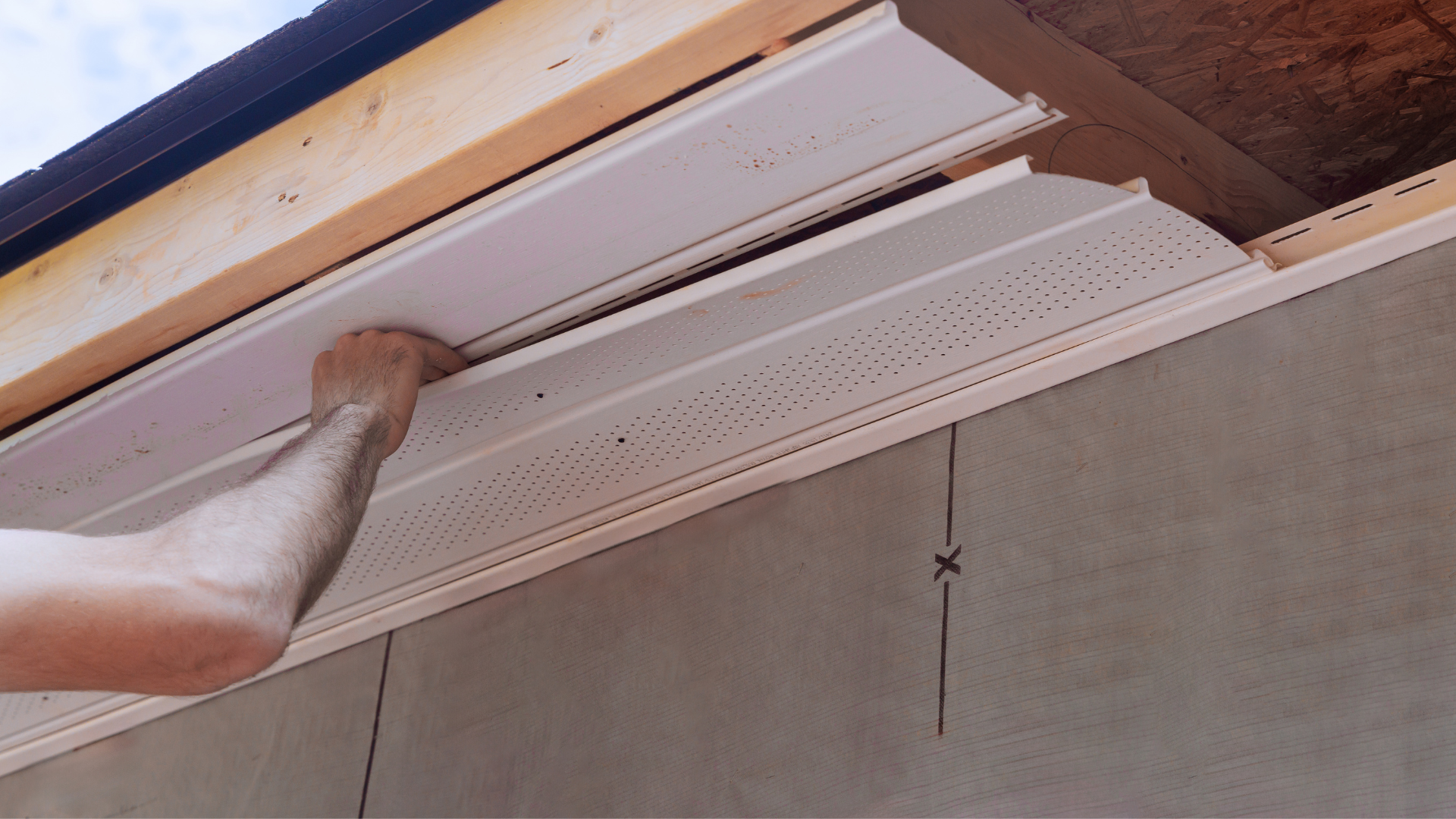
What Aluminum Wrap Actually Does
Aluminum wrap is a thin metal covering installed over exterior trim, fascia, rake boards, window trim, or other wood components. When installed over sound, dry wood as part of a properly designed exterior system, metal cladding can serve a cosmetic or low-maintenance purpose. That is not the situation Timber and Brush is talking about when it warns homeowners against wrapping rotted wood.
The problem is the shortcut version: damaged or damp wood gets covered instead of opened, probed, cut back, replaced, primed, and painted. The visible board disappears behind aluminum, but the wood underneath is still there. So is the moisture source that caused the failure in the first place.
On CT shoreline homes, that moisture source is often predictable. Overflowing gutters wet fascia boards from the back side. Failed caulk joints allow water behind trim. Paint opens at end grain and board joints. Window sills shed water into casing instead of away from it. Porch column bases absorb moisture from concrete or decking. Once these conditions exist, wrapping the exterior does not reverse the damage.
It can also make future inspection harder. A homeowner may not see the rot progressing until the trim moves, the wrap buckles, the gutter pulls loose, or insects find softened wood behind the cover. By then, what could have been a contained wood repair may involve fascia, soffit, rafter tails, window framing, or adjacent trim.
What Professional Wood Rot Remediation Does Differently
Professional wood rot remediation is not simply replacing a board. It is a process for finding the failure pattern and correcting it before the finish work goes on.
A proper assessment starts with probing. The crew tests the visible damage and the surrounding wood to determine whether the board is only surface-soft or structurally compromised. On fascia and soffit work, that often means checking behind the gutter line. On window sill and casing repairs, it means following the rot into the lower corners and casing joints. On door frame repairs, it means checking the base, threshold area, and trim behind the paint.
That process matters because exterior wood often fails from the back side outward. A board can hold paint on the face while the back side has already softened. Timber and Brush describes this directly in its shoreline wood repair service approach: the crew probes before quoting and cuts back to clean wood before stopping. That is the difference between a repair designed to last and a cover designed to look finished from the street.
Once the extent is known, the damaged material is removed. Minor isolated damage may be repaired only if solid wood remains around it and the moisture source can be corrected. More advanced damage requires partial or full replacement. The new material is matched to the location, sealed properly, primed where needed, and painted as part of the same repair scope.
In other words, remediation fixes the assembly. Aluminum wrap changes the view of the assembly.
Why Wood Rot Keeps Moving Under a Cover
Wood rot needs moisture, time, temperature, and susceptible material. Covering the board does not remove those conditions if the wood is already wet or the water source remains active.
The USDA Forest Service explains that wood decay is strongly tied to moisture content. In its research on limiting conditions for decay, the Forest Products Laboratory notes that wood will decay above 30 percent moisture content and will not decay below 20 percent moisture content, with the range between those points acting as a transition zone. That is why the real objective is to keep vulnerable wood dry enough that decay cannot continue.
Oregon State University Extension also explains that wood shrinks and swells as it loses and gains moisture, and that moisture gain can interfere with paint adhesion while increasing susceptibility to stain, decay, and insects. This is exactly what CT shoreline homeowners see on exposed trim: peeling paint, swelling joints, softened end grain, and boards that look worse every season.
When aluminum wrap goes over wet or partially rotted wood, the homeowner loses visual access to those changes. The board may continue absorbing water from behind, from end grain, from failed flashing, from gutter overflow, or from condensation where air movement is restricted. The wrap makes the surface look clean, but the moisture problem still has a pathway.
Why This Matters More on Connecticut Shoreline Homes
Exterior wood repair along the Connecticut shoreline is different from repair work on a dry inland property. Homes from Branford to Old Saybrook sit in a climate where precipitation, humidity, salt air, and seasonal temperature swings repeatedly test paint, caulk, flashing, gutters, and wood joints.
NOAA and CISESS state climate summaries describe Connecticut precipitation as abundant but highly variable, with a long-term statewide annual precipitation average of 47.3 inches. The same summary notes that a typical Connecticut station experiences between two and three 2-inch extreme precipitation events per year. Those storms are exactly the kind of events that expose weak roof edges, failed gutters, and trim joints that no longer shed water correctly.
The Connecticut Stormwater Quality Manual also treats a 1-inch, 24-hour rainfall as an important design storm concept because that storm depth represents a large share of typical annual storm events in the Northeast. For a homeowner, that means even ordinary rain can repeatedly wet vulnerable exterior details if gutters, slope, flashing, caulking, or paint are failing.
That is why Timber and Brush writes about shoreline wood repair as its own specialty. The damage patterns are not random. Fascia fails behind gutters. Soffits fail downstream from fascia rot. Window sills fail at the corners. Door frames fail at the threshold. Porch columns fail at the base. Trim boards fail where paint opens and water sits. A repair that does not account for those patterns is not a complete repair.
The Core Difference: Remediation Removes the Cause, Wrap Conceals the Symptom
The simplest way to compare the two approaches is this: remediation investigates the failure, while wrap covers the evidence.
| Question | Professional Wood Rot Remediation | Aluminum Wrap Over Damaged Wood |
|---|---|---|
| Does it expose the damage? | Yes. The affected area is opened, probed, and evaluated. | No. The existing wood is usually hidden from view. |
| Does it remove failed material? | Yes. Rotted sections are cut back to sound wood or replaced. | No. The damaged board often remains in place. |
| Does it correct the moisture source? | Yes. Gutters, caulk joints, paint failure, flashing, and end grain are addressed as needed. | Not by itself. The original water path may remain active. |
| Does it help future inspection? | Yes. The finished repair remains visible and maintainable. | Often no. The cover can delay discovery of ongoing deterioration. |
| Best use case | Rot, soft wood, failed fascia, damaged trim, structural concern, or recurring paint failure. | Cosmetic covering only when the substrate is sound, dry, and properly prepared. |
Where Aluminum Wrap Fails Homeowners
The biggest problem with aluminum wrap is not that it exists. The problem is when it is used as a substitute for carpentry.
A rotted fascia board cannot hold gutter fasteners properly simply because a metal cover has been installed over it. A soft window sill does not become structurally sound because its face is hidden. A porch column base that is absorbing moisture from below still needs the damaged material removed and the water path corrected. A door frame with rot behind the casing still needs to be opened and repaired.
This is where homeowners often pay twice. The first payment buys a cleaner appearance. The second payment comes when the underlying failure becomes too advanced to ignore. At that point, the job may involve removing the wrap, discovering the original damage has spread, replacing more wood than would have been needed earlier, and repainting a larger area.
EPA guidance on moisture and mold prevention makes the principle clear: fix the water problem. Paint, caulk, or cosmetic covering cannot solve a moisture problem while the affected material remains wet. The same logic applies to exterior trim, fascia, soffit, and other shoreline wood components.
What Timber and Brush Looks for Before Recommending a Repair
Timber and Brush does not make the call from the street. The crew looks for the signs that determine whether a board can be repaired, whether it needs replacement, and whether adjacent components are involved.
1. The moisture source
Every rot repair starts with the question that matters most: where is the water coming from? On fascia, the answer is often gutter overflow, gutter leaks, ice damming, or water getting behind the drip edge. On window trim, it may be failed sill pitch, open casing joints, cracked caulk, or paint breakdown. On porch columns, the issue may be water wicking from the base or poor separation from the surface below.
If the source is not corrected, new material can fail the same way the old material failed.
2. The percentage of the board affected
Small, isolated damage may qualify for targeted repair if solid wood surrounds the affected area. Once deterioration extends across a larger section, replacement becomes the better long-term choice. This same decision-making framework appears in Timber and Brush's fascia guidance, where the repair versus replacement call depends on how much of the board is compromised and whether adjacent materials remain sound.
3. Whether the damage is structural
Cosmetic deterioration and structural deterioration are not the same problem. Peeling paint on a trim board may only signal moisture behind the coating. A gutter pulling away from fascia, a sill that sinks under pressure, or a porch column base that compresses when probed indicates the wood has lost strength. That is not an aluminum wrap job. That is a wood repair job.
4. Whether adjacent components are involved
Rot rarely respects the edge of the visible symptom. Fascia damage can travel into soffit or rafter tails. Window sill rot can move into casing and framing. Door frame rot can reach the threshold and subfloor. Porch column damage can affect the base, plinth, and structural support. A professional assessment follows the damage until clean, sound material is reached.
5. Whether the finish system can be restored
The repair is not finished when the sawdust is swept up. Exterior wood on the CT shoreline needs a complete finish system: priming, sealing, caulking where appropriate, and paint tied into the surrounding surface. That is why Timber and Brush combines exterior wood repair with painting rather than handing the project from one trade to another.
Why Paint Failure Often Points to a Deeper Problem
Many homeowners first notice wood rot because the paint looks wrong. It bubbles. It flakes. It wrinkles around a corner. It opens along a joint. The temptation is to scrape it, paint it, and move on. On a shoreline home, that can be a mistake.
Paint fails when moisture pushes from behind, when wood moves from wetting and drying, when end grain is not sealed, or when the surface was never properly prepared. Oregon State University Extension notes that moisture gain and loss affect dimensional stability and paint adhesion. In practical terms, a board that is repeatedly wetting and drying will keep breaking the finish system until the water source and damaged wood are addressed.
Aluminum wrap can hide peeling paint. It cannot restore the bond between wet wood and a failed coating. It cannot make swollen end grain stable. It cannot turn softened fibers back into structural material. It only changes what the homeowner can see.
Common CT Shoreline Areas Where Wrap Hides Rot
Fascia and soffit
Fascia boards take direct punishment from clogged gutters, leaking gutters, ice at the roof edge, and wind-driven rain. Once the board softens, gutter fasteners lose holding power. Wrapping the fascia does not rebuild the wood behind the gutter. If the board cannot hold fasteners, the gutter problem will return.
Window sills and casing
Window sills shed water every time it rains. When pitch is wrong, caulk fails, or the sill nose opens, water moves into the lower casing and framing. Covering the trim can hide the entry point while water continues traveling into the wall assembly.
Door frames and thresholds
Exterior door frames often fail at the bottom where splashback, threshold leaks, and cracked paint keep wood wet. A wrapped surface may look clean, but the lower jamb and surrounding framing still need to be opened if they have softened.
Porch columns
Porch column bases can rot from trapped water at the base, failed paint, or lack of separation from the surface below. If a column has a structural role, covering the base without evaluating the load-bearing condition is the wrong order of operations.
Trim boards and corner boards
Trim boards fail at joints, end grain, and places where water sits after storms. The fix may be replacement with cedar or PVC depending on exposure, profile, and historic considerations. The right material decision is part of remediation. It is not part of a simple cover-up.
When Replacement Is the Better Recommendation
Professional remediation does not mean every board gets patched. In many cases, replacement is the honest recommendation.
Replacement makes sense when the wood has lost structural integrity, the damaged section is larger than a targeted repair can reasonably handle, the board has been repaired before, or the moisture source has affected adjacent components. At that point, trying to preserve the old board becomes more expensive over time than removing it and rebuilding the detail correctly.
This is where Timber and Brush's work differs from a cosmetic cladding job. The crew can remove failed material, check what is behind it, select the appropriate replacement material, prime and seal exposed surfaces, reinstall or integrate surrounding trim, and paint the finished area so the repair belongs on the house.
When a Small Repair May Be Enough
Not every wood rot issue requires full replacement. A small section of early damage may be repairable if the surrounding material is solid and the water source is corrected. For example, a small casing section affected by a failed caulk joint may be cut back and repaired. A minor area of trim deterioration may be addressed without replacing the whole run.
The key is that the decision must be based on the condition of the wood, not the appearance of the surface. A professional uses probing and inspection to decide how far to cut. The work stops at sound material, not at the edge of the visible stain.
That is why Timber and Brush emphasizes assessment before recommendation. The goal is not to sell the largest job. The goal is to make the right call, whether that means targeted repair, partial replacement, or full replacement.
Why Timber and Brush Does Not Lead With Aluminum Wrap
Timber and Brush is built around exterior wood repair, not concealment. The company's position is straightforward: if the wood is failing, the fix is to remove the failing material, address the water source, and finish the repair properly. That is why its service pages state that damaged wood is replaced, not filled, wrapped, or painted over.
That approach is especially important on shoreline properties where small defects become recurring failures. A roofline in Madison may see gutter overflow during spring storms. A Guilford window casing may take wind-driven rain off the Sound. A Branford porch column may sit damp after every coastal weather event. A Clinton trim board may cycle through wetting, drying, swelling, and paint failure every season. The repair has to be built for that exposure.
A wrapped board may look complete the day it is installed. A remediated board is complete because the failed material is gone, the surrounding wood has been checked, the water path has been corrected, and the finished surface is ready to shed weather again.
The Long-Term Cost Difference
Aluminum wrap often feels cheaper because it postpones the hard part of the job. It avoids opening the detail, removing deteriorated wood, matching the profile, rebuilding the substrate, priming, sealing, and painting. But postponement is not the same as savings.
When rot continues behind a cover, the later repair often involves more labor. The wrap has to come off. The hidden damage has to be mapped. Adjacent materials may need replacement. The original moisture problem still has to be corrected. And the final repair still has to be painted or finished. The homeowner pays for concealment first, then pays for remediation later.
Professional remediation costs more upfront than a cover, but it gives the homeowner something a cover cannot: a known condition behind the finish. The crew knows what came out, what stayed, what was replaced, and why the water problem should not return in the same way.
What a Proper Wood Rot Remediation Scope Should Include
A complete scope should be specific enough that the homeowner understands what is being fixed and why. On a CT shoreline property, that usually includes a clear description of the damaged component, the suspected moisture source, the repair or replacement method, the material to be installed, and the finish work required.
For fascia and soffit, the scope should address gutter removal or reattachment if needed, rafter tail inspection, board replacement, sealing, priming, painting, and any related gutter or roof edge issue. For window sill and casing repair, it should explain whether the sill, casing, apron, or framing is involved. For door frames, it should identify whether damage is limited to trim or has reached the jamb or threshold. For porch columns, it should distinguish cosmetic base rot from structural compromise.
Most importantly, the scope should not promise that a cover will solve a problem no one has inspected. If the wood is hidden and untested, the condition is unknown. Unknown conditions do not become sound conditions because aluminum was installed over them.
The Bottom Line: Fix the Wood, Then Finish the Exterior
Professional wood rot remediation and aluminum wrap are not equal solutions. One exposes the problem. The other hides it. One removes failed material. The other may leave it in place. One corrects the moisture source. The other can leave the same water path working behind the cover. One gives the homeowner a repair that can be maintained. The other can delay the day when the real condition has to be faced.
For Connecticut shoreline homes, that distinction matters. Moisture is part of the environment. Storms are part of the maintenance cycle. Salt air, freeze-thaw movement, heavy rainfall, gutter overflow, and failed paint systems all work against exterior wood. The right repair has to respect those conditions.
Timber and Brush serves Madison, Guilford, Branford, Clinton, Old Saybrook, Westbrook, Essex, Old Lyme, East Lyme, and surrounding CT shoreline communities with exterior wood repair and painting built around the right fix, not the easy cover. If you are seeing soft trim, peeling paint, swelling fascia, failing soffit, damaged window casing, or a porch column that does not feel solid, the best next step is to have the wood probed and the moisture source identified before anything is covered.